Turning Knowledge Into Digital Assets Turning knowledge into digital assets is one of the smartest ways to build income in today’s digital world. Many people underestimate the value of what they already know, assuming they need to become experts before they can teach, create, or monetize their skills online. The truth is that your knowledge, …
Turning Knowledge Into Digital Assets: How to Monetize What You Know Online
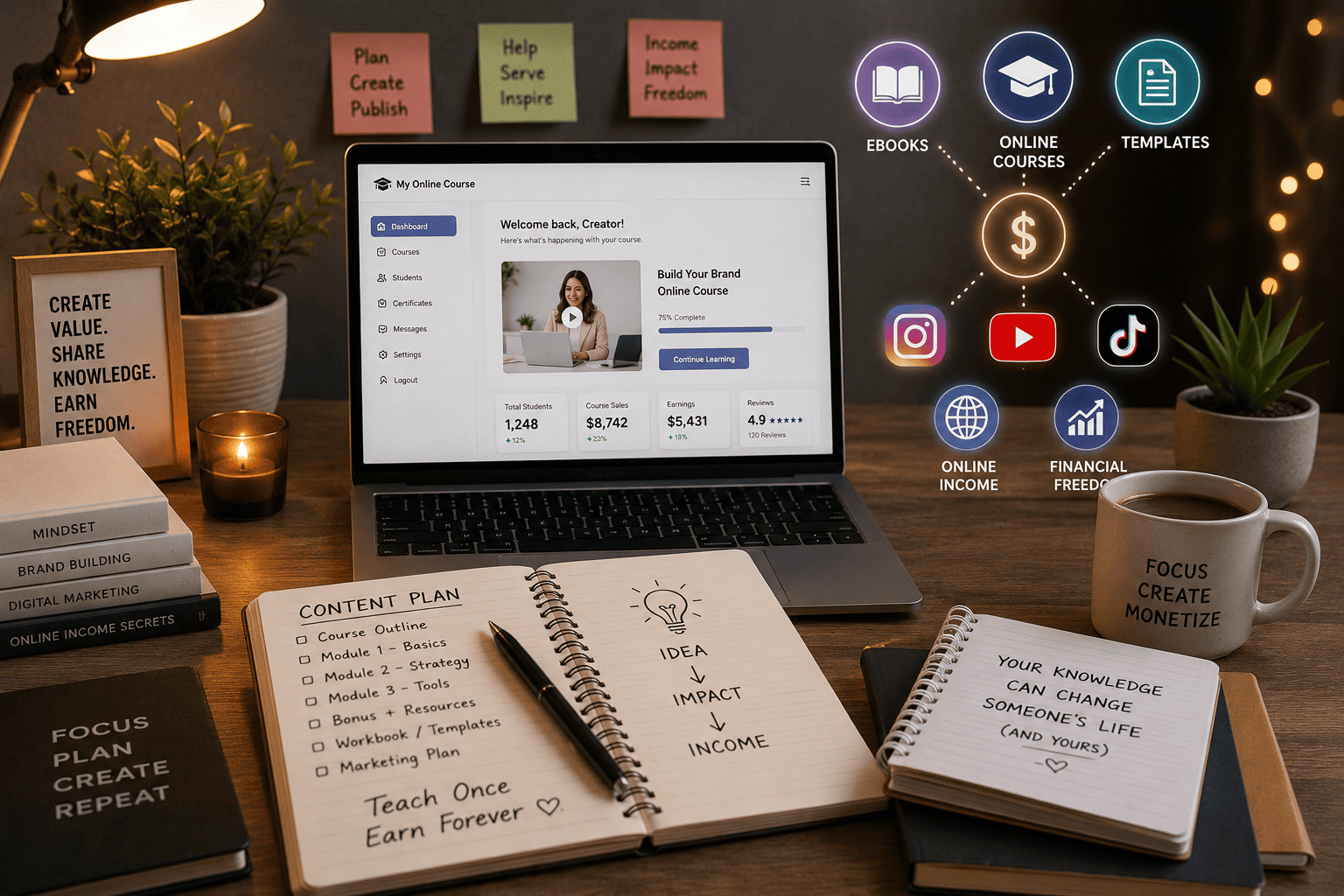
Turning Knowledge Into Digital Assets
Turning knowledge into digital assets is one of the smartest ways to build income in today’s digital world. Many people underestimate the value of what they already know, assuming they need to become experts before they can teach, create, or monetize their skills online. The truth is that your knowledge, experiences, and skills can become valuable digital products that generate income repeatedly.
In today’s economy, people are constantly searching online for solutions, guidance, education, inspiration, and shortcuts. If you know how to solve a problem, teach a skill, simplify a process, or share useful information, you already have the foundation for creating digital assets.
The beauty of digital assets is that you create them once and potentially earn from them multiple times. Unlike traditional work where income depends entirely on hours worked, digital assets allow you to build systems that continue working for you over time.
What Are Digital Assets?
Digital assets are online products or resources that hold value and can generate income. These assets are usually created from your knowledge, skills, creativity, or expertise.
Examples of digital assets include:
- Ebooks
- Online courses
- Templates
- Digital planners
- Webinars
- Membership communities
- Educational videos
- Printable products
- Social media content
- Stock designs
- Coaching programs
- Email newsletters
These products can be sold, shared, licensed, or used to build an audience and business online.
Why Turning Knowledge Into Digital Assets Matters
Many people only focus on active income, where they exchange time directly for money. While active income is important, relying on it alone can become exhausting and limiting.
Turning knowledge into digital assets creates opportunities for:
- Passive income
- Financial flexibility
- Business growth
- Global reach
- Personal branding
- Long-term wealth building
Digital assets also allow people to scale their impact because one piece of content can reach thousands of people online.
Your Knowledge Has Value
One major reason people delay creating digital products is self-doubt. They believe:
- “I don’t know enough.”
- “Others are already doing it.”
- “Nobody will pay for my knowledge.”
However, you do not need to know everything to help someone. Often, people simply need guidance from someone who is a few steps ahead of them.
For example:
- A fashion designer can teach sewing basics
- A student can create study templates
- A mother can share parenting routines
- A freelancer can teach beginner client management
- A business owner can create social media guides
Your everyday knowledge may be life-changing for someone else.
Popular Ways to Turn Knowledge Into Digital Assets
1. Create an Ebook
Ebooks are one of the easiest digital products to start with. You can write about:
- Personal experiences
- Tutorials
- Business tips
- Productivity methods
- Health and wellness
- Skill-based education
Ebooks are affordable to create and can be sold repeatedly online.
2. Launch an Online Course
Online learning continues to grow globally. If you can teach a process step-by-step, you can create a course.
Topics may include:
- Fashion design
- Content creation
- Graphic design
- Baking
- Business skills
- Digital marketing
- Productivity systems
Courses can be hosted on platforms like Gumroad, Teachable, or personal websites.
3. Sell Templates and Digital Tools
Templates save people time. Many individuals and businesses pay for ready-made systems and designs.
Examples include:
- Budget planners
- Canva templates
- Business trackers
- Wedding planning sheets
- Content calendars
- Social media templates
Digital templates are highly scalable because they can be sold multiple times without additional production costs.
4. Build a Content Platform
Content itself can become a digital asset. Blog posts, YouTube videos, podcasts, and newsletters continue attracting audiences long after they are published.
Consistent content creation helps build:
- Trust
- Visibility
- Authority
- Community
- Monetization opportunities
Over time, your content becomes an asset that works for your brand continuously.
How to Start Creating Digital Assets
Step 1: Identify What You Know
Start by asking:
- What do people often ask me for help with?
- What skills have I developed?
- What problems can I solve?
- What experiences can I teach from?
Your knowledge does not need to be perfect to be valuable.
Step 2: Choose a Simple Format
Do not overcomplicate the process. Start with one simple digital product:
- A mini ebook
- A checklist
- A guide
- A short course
- A planner
Starting small helps build confidence and momentum.
Step 3: Focus on Solving Problems
People buy solutions, not just information. Your digital asset should help people:
- Save time
- Reduce stress
- Learn faster
- Improve results
- Gain clarity
Useful products perform better than overly complicated ones.
Step 4: Use Social Media to Share Value
You do not need a massive audience before starting. Consistently sharing valuable content online helps attract the right people.
Platforms like:
- TikTok
- YouTube
can help grow visibility for your digital products.
Common Mistakes to Avoid
Waiting for Perfection
Many people spend years planning instead of creating. Progress matters more than perfection.
Trying to Teach Everything
Keep your product focused and easy to understand.
Ignoring Marketing
Even valuable products need visibility. Learn basic marketing and audience building.
Final Thoughts
Turning knowledge into digital assets is no longer reserved for celebrities, influencers, or large businesses. Ordinary people are building income, impact, and opportunities online simply by packaging what they know into valuable digital products.
Your experiences, skills, and ideas hold more value than you may realize. The digital world rewards people who are willing to share solutions, educate others, and create resources that make life easier.
Start with what you know, keep learning as you grow, and focus on helping people genuinely. Over time, your knowledge can become an asset that creates income, freedom, and long-term opportunities beyond traditional work.