Healing Your Relationship With Rest Healing your relationship with rest is one of the most important steps toward living a healthier, happier, and more balanced life. In a world that constantly praises hustle culture, productivity, and nonstop work, many people have unknowingly developed guilt around resting. Instead of seeing rest as necessary, they see it …

Healing Your Relationship With Rest
Healing your relationship with rest is one of the most important steps toward living a healthier, happier, and more balanced life. In a world that constantly praises hustle culture, productivity, and nonstop work, many people have unknowingly developed guilt around resting. Instead of seeing rest as necessary, they see it as laziness.
The truth is that rest is not a reward you earn only after exhaustion. Rest is a basic human need. Without proper rest, your mental health, emotional well-being, productivity, creativity, and even physical health begin to suffer.
Many people today are emotionally tired, mentally drained, and physically overwhelmed because they have been taught to constantly stay busy. Healing your relationship with rest means learning to slow down without feeling guilty and understanding that taking care of yourself is part of growth, not a distraction from it.
Why Many People Struggle With Rest
For many individuals, rest feels uncomfortable because they associate their worth with productivity. Society often celebrates people who work nonstop while making rest seem unimportant.
Some common reasons people struggle with resting include:
- Fear of falling behind
- Pressure to always be productive
- Financial stress
- Social media comparison
- Childhood experiences around hard work
- Feeling guilty when not working
Over time, this mindset creates emotional exhaustion and burnout.
Rest Is Not Laziness
One of the biggest mindset shifts in healing your relationship with rest is understanding that rest is not laziness. Rest is recovery.
Your body and mind need time to recover from stress, responsibilities, and emotional pressure. Without recovery, you may experience:
- Constant fatigue
- Irritability
- Anxiety
- Lack of motivation
- Poor concentration
- Emotional burnout
- Reduced creativity
Ironically, people often become less productive when they refuse to rest.
The Different Types of Rest
Many people think rest only means sleeping, but true rest goes beyond that. Sometimes you can sleep for hours and still feel exhausted because your mind and emotions are overwhelmed.
Here are different forms of rest your body and mind may need:
1. Physical Rest
This includes sleep, naps, stretching, and relaxing your body. Physical rest helps restore energy and improve overall health.
2. Mental Rest
Mental rest involves stepping away from constant thinking, decision-making, and information overload. Taking breaks from screens and reducing mental pressure can help calm the mind.
3. Emotional Rest
Emotional rest means allowing yourself to express feelings honestly without constantly pretending to be okay. Healthy boundaries and safe conversations support emotional healing.
4. Social Rest
Sometimes people feel drained from too much social interaction. Social rest may involve spending quiet time alone or surrounding yourself with people who make you feel peaceful rather than exhausted.
5. Creative Rest
Creative rest happens when you allow your mind to recharge through beauty, nature, music, art, or quiet reflection.
Signs You Need More Rest
Your body often gives warning signs when you are overworked or emotionally overwhelmed.
Some signs include:
- Feeling tired even after sleeping
- Difficulty focusing
- Increased frustration or anger
- Constant headaches or body tension
- Loss of motivation
- Feeling emotionally numb
- Struggling to enjoy activities you once loved
Ignoring these signs can eventually affect both your physical and emotional health.
How to Start Healing Your Relationship With Rest
Healing your relationship with rest takes intentional effort, especially if you are used to constantly pushing yourself.
1. Stop Associating Rest With Failure
Resting does not mean you are weak, lazy, or unmotivated. It means you are human. Your value is not based only on how much work you produce.
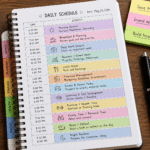
2. Schedule Rest Intentionally
Many people schedule work but never schedule rest. Create time for:
- Quiet moments
- Breaks during work
- Relaxing evenings
- Self-care routines
- Sleep and recovery
Treat rest as an important responsibility, not an afterthought.
3. Reduce Constant Stimulation
Too much noise, social media, notifications, and screen time can increase mental exhaustion. Spend time away from digital distractions when possible.
4. Listen to Your Body
Your body often knows what it needs before your mind accepts it. If you constantly feel drained, take it seriously instead of ignoring it.
5. Create a Gentle Lifestyle
Not every day needs to be filled with pressure and urgency. Slow living, healthy boundaries, and realistic expectations can improve your emotional well-being.
The Connection Between Rest and Productivity
Many people fear that resting will make them less successful. In reality, proper rest improves:
- Focus
- Creativity
- Decision-making
- Emotional stability
- Productivity
- Problem-solving abilities
Rest helps you work better, think clearer, and show up more fully in your personal and professional life.
People who constantly operate from exhaustion may complete tasks, but often at the cost of their health and peace.
Final Thoughts
Healing your relationship with rest is about giving yourself permission to pause, recover, and breathe without guilt. Rest is not something you have to earn after reaching burnout. It is part of maintaining a healthy and sustainable life.
You do not have to constantly prove your worth through exhaustion. A balanced life includes ambition, growth, and productivity, but it also includes peace, stillness, and recovery.
The more you learn to honor rest, the healthier your mind, body, and emotions become. True growth happens not only in the moments when you push forward, but also in the moments when you allow yourself to slow down and heal.