The Anti-Consumer Routine: A Practical Way to Spend Less and Live More The Anti-Consumer Routine is a simple approach to everyday living that helps people spend less money, reduce unnecessary purchases, and focus on what truly adds value to their lives. In a world where advertisements, social media influencers, and constant promotions encourage us to …
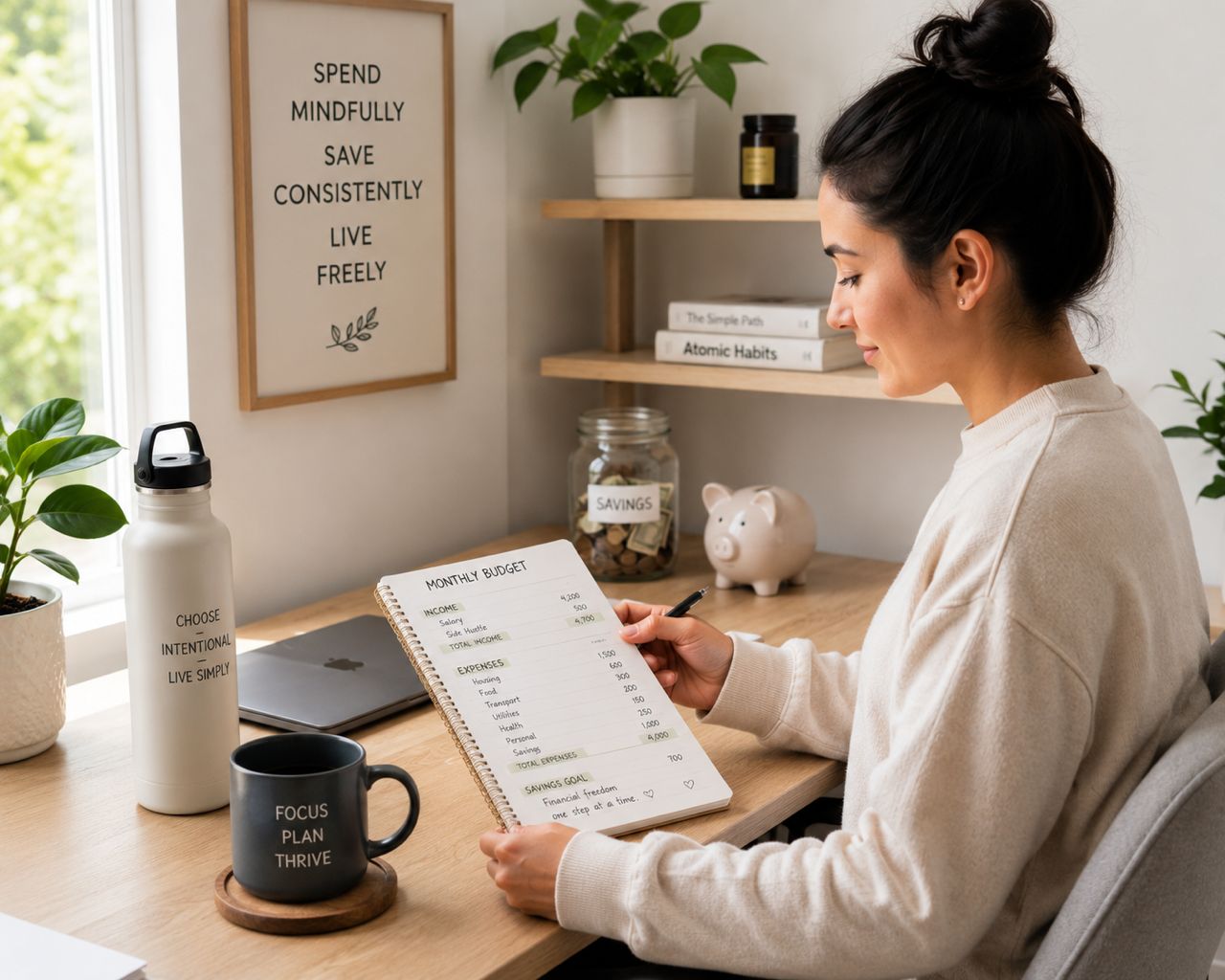
The Anti-Consumer Routine: A Practical Way to Spend Less and Live More
The Anti-Consumer Routine is a simple approach to everyday living that helps people spend less money, reduce unnecessary purchases, and focus on what truly adds value to their lives. In a world where advertisements, social media influencers, and constant promotions encourage us to buy more, adopting an anti-consumer routine can be one of the most powerful habits for improving both financial health and mental well-being.
Many people assume that saving money requires extreme sacrifices. In reality, financial freedom often comes from small daily choices. The anti-consumer routine isn’t about depriving yourself; it’s about becoming intentional with your spending and learning to separate needs from wants.
What Is an Anti-Consumer Routine?
An anti-consumer routine consists of habits that reduce impulsive spending and encourage mindful consumption. Instead of constantly purchasing new products, upgrading devices, or following trends, people who embrace this lifestyle focus on maximizing what they already own.
The goal is not to avoid spending altogether. Rather, it is to spend intentionally and ensure that every purchase aligns with personal values and long-term goals.
By following an anti-consumer routine, you begin to see money as a tool rather than something that disappears on temporary pleasures.
Why Consumer Culture Makes Saving Difficult
Modern consumer culture is designed to encourage spending. Every day, people are exposed to hundreds of advertisements through social media, websites, emails, television, and mobile apps.
These messages often create a sense of urgency:
- Buy now before the sale ends.
- Upgrade to the latest version.
- Treat yourself because you deserve it.
- Don’t miss out on the trend.
While occasional purchases are normal, constantly responding to these messages can lead to financial stress, clutter, and dissatisfaction.
The anti-consumer routine helps break this cycle by creating intentional barriers between desire and spending.
Daily Habits That Form an Anti-Consumer Routine
1. Delay Non-Essential Purchases
One of the simplest anti-consumer habits is implementing a waiting period before buying anything non-essential.
Consider waiting:
- 24 hours for small purchases
- 7 days for medium purchases
- 30 days for expensive purchases
Many items that seem necessary in the moment lose their appeal after a short waiting period.
2. Shop With a List
Whether grocery shopping or browsing online, having a list prevents emotional purchases.
Before shopping:
- Define what you need.
- Set a spending limit.
- Avoid adding items that were not planned.
This small habit can significantly reduce unnecessary spending over time.
3. Use What You Already Own
Many households contain unused products, clothing, gadgets, and supplies.
Before buying something new, ask:
- Do I already own something similar?
- Can I repair the current item?
- Can I borrow it instead?
The anti-consumer routine encourages maximizing the value of existing possessions before making additional purchases.
4. Unsubscribe From Marketing Emails
Retailers spend millions encouraging consumers to buy more.
Reducing exposure to marketing can lower temptation dramatically.
Consider unsubscribing from:
- Promotional emails
- Store notifications
- Flash-sale alerts
- Shopping app notifications
Less exposure often results in fewer impulse purchases.
5. Create No-Spend Days
A no-spend day is exactly what it sounds like—a day where no money is spent unless absolutely necessary.
These days help build awareness around spending habits and encourage creativity with available resources.
Even one or two no-spend days per week can make a noticeable difference in monthly expenses.
Eco habits save money too: eco-friendly habits that increase savings.
The Financial Benefits of an Anti-Consumer Routine
Many people underestimate how much money is lost through small, repetitive purchases.
Coffee runs, impulse online orders, subscription services, and trend-driven shopping can quietly consume hundreds of dollars each month.
Following an anti-consumer routine can help:
- Increase monthly savings
- Reduce credit card debt
- Build emergency funds faster
- Improve long-term financial security
- Create more room for investing
The money saved from avoiding unnecessary purchases can be redirected toward goals that genuinely improve quality of life.
The Mental Health Benefits
The anti-consumer routine isn’t only about money. It can also improve mental clarity and reduce stress.
When people stop constantly chasing the next purchase, they often experience:
- Less financial anxiety
- Reduced clutter
- Better focus
- Greater contentment
- Increased gratitude
Research consistently shows that happiness is more closely tied to meaningful experiences and relationships than material possessions.
By consuming less, people often discover greater satisfaction with what they already have.
How to Start Your Own Anti-Consumer Routine
Starting doesn’t require a complete lifestyle overhaul.
Begin with these simple steps:
- Track all purchases for one week.
- Identify your biggest spending triggers.
- Create a 24-hour waiting rule.
- Schedule one no-spend day each week.
- Unsubscribe from unnecessary marketing emails.
- Focus on using what you already own.
Small changes practiced consistently often create the biggest long-term results.
Final Thoughts
The Anti-Consumer Routine is not about living with less for the sake of deprivation. It is about creating a life where spending aligns with purpose rather than impulse. By slowing down purchases, reducing exposure to marketing, and appreciating what you already have, you can save money, reduce stress, and build a stronger financial future.
In a culture that constantly encourages more consumption, choosing intentional spending can be a surprisingly powerful act. The anti-consumer routine offers a practical path toward financial freedom, greater contentment, and a simpler, more meaningful life.
Pair it with the 30-minute evening wealth routine.
Want one simple money-and-routine reset in your inbox each week? Join the free Routine & Riches newsletter.