Simple emergency fund breakdown strategies make saving for the unexpected feel realistic instead of intimidating. Many people know they should have an emergency fund, but they don’t know how much to save, where to start, or how to build one without sacrificing daily needs. An emergency fund isn’t about fear, it’s about freedom. It gives …
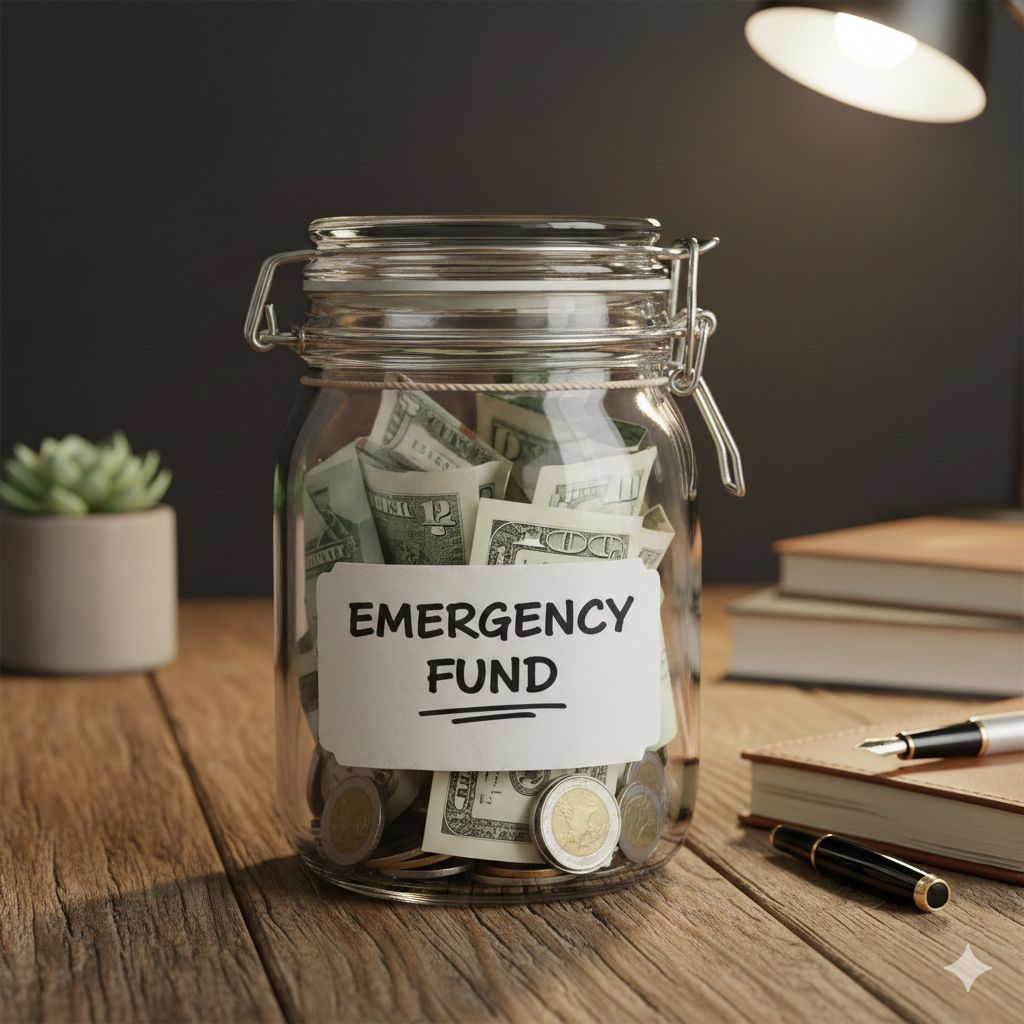
Simple emergency fund breakdown strategies make saving for the unexpected feel realistic instead of intimidating. Many people know they should have an emergency fund, but they don’t know how much to save, where to start, or how to build one without sacrificing daily needs.
An emergency fund isn’t about fear, it’s about freedom. It gives you breathing room when life throws surprises like medical bills, job loss, home repairs, or urgent travel. In this guide, you’ll learn a clear and practical breakdown of what an emergency fund is, how much you need, and how to build it step by step.
What Is an Emergency Fund?
An emergency fund is money set aside specifically for unexpected expenses. It’s not for shopping, vacations, or planned bills. It’s a financial safety net designed to protect you during emergencies.
Common uses include:
-
Medical emergencies
-
Car or home repairs
-
Sudden job loss
-
Urgent family needs
Understanding this distinction is the foundation of a simple emergency fund breakdown.
Why an Emergency Fund Matters
Without an emergency fund, unexpected expenses often lead to:
-
Credit card debt
-
Loans with high interest
-
Stress and anxiety
-
Financial setbacks
A strong emergency fund gives you confidence, control, and stability. It allows you to handle problems without derailing your finances.
Step 1: Decide How Much You Need
The first step in a simple emergency fund breakdown is choosing a realistic target. Financial experts often recommend saving 3 to 6 months of essential expenses.
Start by listing your monthly essentials:
-
Rent or mortgage
-
Food
-
Utilities
-
Transportation
-
Insurance
Multiply this total by three to get your minimum emergency fund goal. If your income is unstable, aim closer to six months.
Step 2: Break the Goal into Smaller Milestones
Large numbers can feel overwhelming. Instead, break your emergency fund into manageable milestones.
Example breakdown:
-
First goal: ₦50,000 or $500
-
Second goal: One month of expenses
-
Third goal: Three months of expenses
-
Final goal: Six months of expenses
Each milestone builds momentum and motivation.
Step 3: Choose the Right Place to Keep Your Emergency Fund
Your emergency fund should be:
-
Easily accessible
-
Separate from daily spending
-
Safe and low-risk
Good options include:
-
High-yield savings accounts
-
Money market accounts
-
Separate savings wallets
Avoid investing emergency funds in stocks or assets that fluctuate in value.
Step 4: Build Your Fund Consistently
A simple emergency fund breakdown works best when saving becomes a habit.
Easy ways to save consistently:
-
Automate weekly or monthly transfers
-
Save a portion of bonuses or side income
-
Round up purchases and save the difference
-
Reduce one non-essential expense
Consistency matters more than amount.
Step 5: Know When to Use Your Emergency Fund
Not every unexpected expense is an emergency. Use your fund only for true emergencies that:
-
Are urgent
-
Are necessary
-
Cannot be delayed
If you use your emergency fund, make replenishing it a priority.
Common Emergency Fund Mistakes to Avoid
Avoid these mistakes that weaken your financial safety net:
-
Mixing emergency savings with regular spending
-
Using the fund for non-emergencies
-
Waiting for a “perfect” income level to start
-
Saving too aggressively and causing stress
A flexible, realistic approach is key.
How to Start If You’re Living Paycheck to Paycheck
Even if money is tight, a simple emergency fund breakdown is still possible.
Start with:
-
Saving small amounts weekly
-
Cutting one minor expense
-
Using cash-back rewards
-
Selling unused items
Progress is progress, no matter how small.
Conclusion
A simple emergency fund breakdown turns financial security into something achievable. By understanding how much you need, breaking it into milestones, saving consistently, and using the fund wisely, you create peace of mind and stability.
You don’t need a perfect income or a large lump sum to start. You just need a plan and the willingness to begin.
Your future self will thank you.