What No One Tells You About Managing Money in Your 20s and 30s is that it is harder than anyone admits. Managing money in your 20s and 30s often sounds simple on paper: earn, save, invest, repeat. But real life rarely follows financial advice threads or viral money tips. Between career uncertainty, family expectations, social …
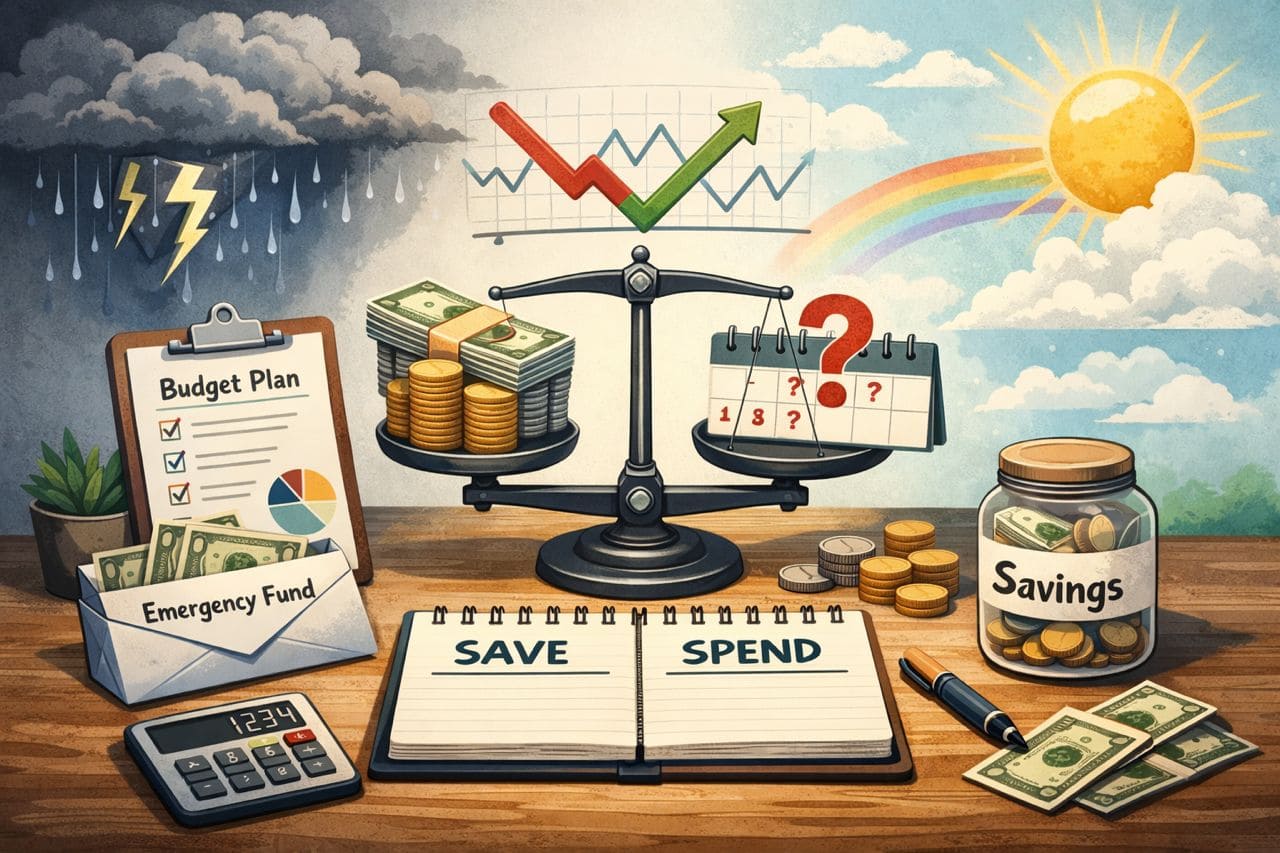
What No One Tells You About Managing Money in Your 20s and 30s is that it is harder than anyone admits. Managing money in your 20s and 30s often sounds simple on paper: earn, save, invest, repeat. But real life rarely follows financial advice threads or viral money tips. Between career uncertainty, family expectations, social pressure, and rising living costs, many young adults quietly struggle even when they look “successful” on the outside.
What no one tells you is that managing money in your 20s and 30s isn’t about perfection. It’s about navigating chaos while building habits that won’t collapse under pressure.
You’re not “behind”, you’re just early
One of the biggest lies about managing money in your 20s and 30s is the idea that everyone else has it figured out. Social media shows people buying homes, traveling, investing, and living large but it doesn’t show the debt, family support, or financial stress behind the scenes.
In your 20s, your income is usually inconsistent. In your 30s, your responsibilities increase. Comparing yourself to others can push you into financial decisions you’re not ready for, like taking unnecessary loans or overspending to “keep up.”
The truth? Being confused about money at this stage is normal.
Budgeting alone won’t fix your finances
When people talk about managing money in your 20s and 30s, budgeting is often treated as the ultimate solution. But budgeting without understanding your behavior is useless.
If you don’t know:
-
Why you overspend when stressed
-
Why you avoid checking your bank balance
-
Why your income disappears faster than planned
…no spreadsheet will save you.
Effective money management starts with honesty, not restriction. A flexible budget that allows enjoyment will last longer than an extreme one you abandon after a month.
Lifestyle inflation is the real enemy
One of the most dangerous traps in managing money in your 20s and 30s is lifestyle inflation. As your income increases, so do your expenses often without you noticing.
New job? Better phone.
Raise? More eating out.
Promotion? Upgraded apartment.
Suddenly, you earn more but save nothing.
The key isn’t denying yourself comfort. It’s choosing upgrades intentionally instead of automatically.
Saving is important, but timing matters
You’re constantly told to save, save, save. While saving is essential, managing money in your 20s and 30s also means knowing when to save aggressively and when to invest in yourself.
Sometimes, the best financial decision is:
-
Paying for a skill
-
Switching careers
-
Starting a side hustle
-
Improving your health
Money is a tool, not a trophy.
Debt isn’t always a failure
Another thing no one tells you about managing money in your 20s and 30s is that not all debt is bad — but unmanaged debt is dangerous.
Student loans, business loans, or skill-based debt can move you forward. High-interest consumer debt that supports appearances will hold you back.
The goal isn’t avoiding debt at all costs — it’s understanding what your debt is doing for or against you.
Your money habits matter more than your income
Many people think they’ll manage money better “once they earn more.” In reality, money habits formed in your 20s and 30s follow you into every income level.
If you can’t manage ₦100,000 wisely, ₦500,000 won’t fix it.
Strong habits beat high income every time.
Managing money is emotional not just logical
Money decisions are tied to fear, pride, guilt, and pressure. Managing money in your 20s and 30s requires emotional awareness as much as financial knowledge.
Once you accept that money is personal, messy, and evolving, you stop chasing perfection and start building progress.
Managing money in your 20s and 30s is not a one-time decision, it’s a continuous process of learning, adjusting, and growing. Your priorities will change, your income may rise or fall, and unexpected responsibilities will appear. What matters most is building awareness around your financial choices and staying consistent with healthy habits. Over time, small, intentional money decisions will create long-term stability and confidence, even when life feels uncertain.