How to build consistent habits without overhauling your life is a question many people quietly ask themselves. You want better routines, healthier habits, and more structure but the idea of changing everything at once feels overwhelming. Between work, responsibilities, and daily life, massive lifestyle changes simply aren’t realistic. The good news is that consistency doesn’t …
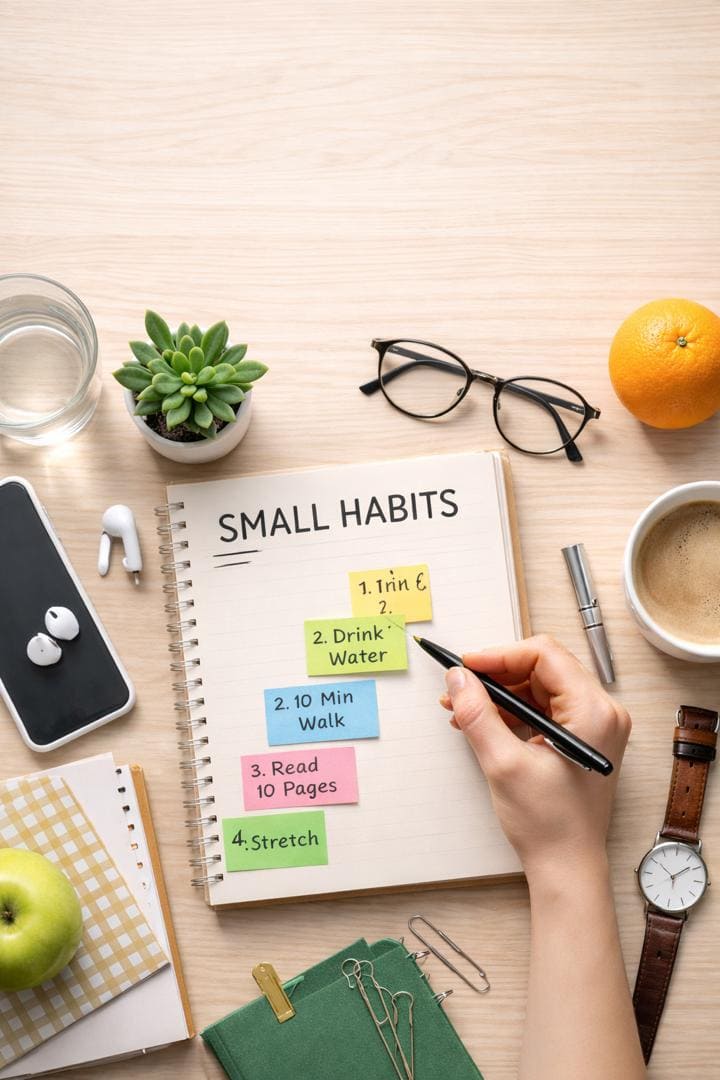
How to build consistent habits without overhauling your life is a question many people quietly ask themselves. You want better routines, healthier habits, and more structure but the idea of changing everything at once feels overwhelming. Between work, responsibilities, and daily life, massive lifestyle changes simply aren’t realistic.
The good news is that consistency doesn’t come from dramatic overhauls. It comes from small, intentional actions that fit into your existing life. When habits are built gently and sustainably, they last.
Why Big Habit Changes Usually Don’t Stick
Many people start new habits with motivation and enthusiasm, only to stop weeks later. This isn’t a lack of discipline; it’s a design issue. Habits that require drastic schedule changes, intense willpower, or constant self-control are hard to maintain long-term.
Building consistent habits works best when the habit supports your life instead of competing with it. Small changes create less resistance, making consistency feel natural instead of forced.
Start With One Small Habit
The most effective way to build consistent habits without overhauling your life is to start with one small habit. Instead of trying to improve everything at once, choose a single action that feels manageable.
For example:
-
Five minutes of planning instead of an hour
-
One glass of water in the morning
-
A short evening reset instead of a full routine
Small habits lower the mental barrier to starting, which increases follow-through.
Attach New Habits to Existing Routines
One of the easiest ways to build consistency is habit stacking. This means attaching a new habit to something you already do daily.
Examples include:
-
Journaling after brushing your teeth
-
Stretching after waking up
-
Reviewing tasks after your morning coffee
When habits are linked to existing routines, they require less effort to remember and maintain.
Focus on Frequency, Not Perfection
Consistency grows from repetition, not perfection. Missing a day doesn’t mean you’ve failed — it means you’re human. What matters is returning to the habit without guilt or overcorrection.
Instead of asking, “Did I do this perfectly?” ask, “Did I return to it?”
This mindset builds resilience and long-term success.
Design Your Environment for Success
Your environment strongly influences your habits. If something is easy to access, you’re more likely to do it. If it’s hidden or complicated, you’re more likely to avoid it.
To support consistent habits:
-
Keep tools visible
-
Reduce friction where possible
-
Remove distractions that compete for attention
Small environmental changes reduce the need for willpower.
Build Habits That Match Your Energy
Not every habit needs to happen in the morning or at the same time every day. Pay attention to when your energy is naturally higher or lower.
Choose habit timing that works with your rhythm:
-
Creative habits during high-energy periods
-
Reflective habits during quieter moments
When habits align with energy, consistency becomes easier.
Track Progress Gently
Tracking habits doesn’t need to be complicated. A simple checkmark on a calendar or notebook is enough. The goal isn’t pressure, it’s awareness.
Gentle tracking reinforces consistency by reminding you that small actions add up over time.
Allow Habits to Evolve
As your life changes, your habits should evolve too. What works in one season may not work in another and that’s okay. Flexibility prevents burnout and keeps routines relevant.
Consistent habits aren’t rigid; they’re adaptable.
Let Identity Grow From Action
Instead of saying, “I need to become disciplined,” focus on what you’re already doing consistently. Identity grows from repeated action.
Each small habit reinforces the belief that you’re capable of showing up without forcing change.
A Sustainable Approach to Habit-Building
Learning how to build consistent habits without overhauling your life means choosing patience over pressure. Sustainable habits are built quietly, through repetition and compassion.
When habits fit into your life instead of reshaping it entirely, consistency becomes something you return to not something you struggle to maintain.
Small steps, repeated often, create meaningful change.