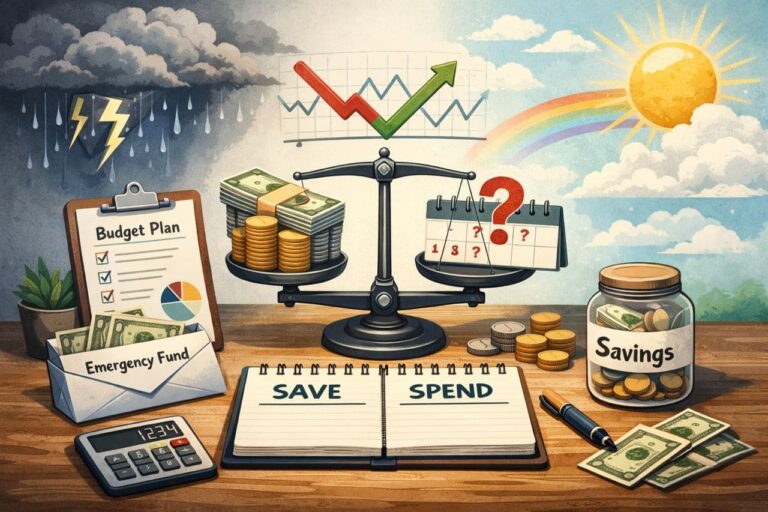
For many people, budgeting feels restrictive, stressful, and emotionally draining. The word alone can bring up memories of rules, guilt, and constant self-denial. But budgeting without restriction is not only possible, it’s often the most sustainable way to build a healthy relationship with money. A calm approach to money focuses on awareness, intention, and flexibility. …
For many people, budgeting feels restrictive, stressful, and emotionally draining. The word alone can bring up memories of rules, guilt, and constant self-denial. But budgeting without restriction is not only possible, it’s often the most sustainable way to build a healthy relationship with money.
A calm approach to money focuses on awareness, intention, and flexibility. Instead of controlling every expense, it creates systems that support your life as it is, not as it “should” be. When budgeting feels supportive rather than punishing, consistency becomes natural.
Why Traditional Budgeting Often Fails
Most budgeting methods fail because they rely on restriction. Cutting out everything enjoyable, setting unrealistic limits, and expecting perfection quickly leads to burnout. When life happens, unexpected expenses, emotional days, busy weeks, the budget feels broken, and people give up entirely.
Budgeting without restriction removes the “all or nothing” mindset. It allows room for real life while still protecting your financial stability.
Start With Awareness, Not Control
The first step in calm budgeting is awareness. Before changing how you spend, observe your money habits. Track your income and expenses for a few weeks without judgment. Notice where your money goes and how you feel about those choices.
Awareness builds clarity. When you understand your spending patterns, you can make informed decisions instead of reactive ones.
Create Flexible Spending Categories
Instead of rigid rules, create broad, flexible categories such as essentials, lifestyle, savings, and personal enjoyment. Each category gets attention without feeling suffocating.
Allowing space for enjoyment reduces guilt-driven spending. When pleasure is planned, it becomes intentional rather than impulsive.
Use a Weekly Money Check-In
A weekly money check-in keeps you connected to your finances without overwhelm. Set aside 15 minutes to review balances, upcoming expenses, and recent spending. Ask simple questions:
-
Did my spending align with my priorities?
-
Do I need to adjust anything for next week?
This routine builds confidence and prevents small issues from becoming major stressors.
Budget for Real Life, Not Ideal Life
Your budget should reflect your current lifestyle, not an ideal version of yourself. If you regularly eat out, travel, or support family, include those realities. Budgeting without restriction means working with your life, not against it.
When your budget feels realistic, you’re more likely to follow it consistently.
Separate Guilt From Money Decisions
Guilt is one of the biggest obstacles to calm budgeting. Overspending happens; it’s part of being human. Instead of punishing yourself, use the experience as information. Adjust gently and move forward.
Financial stability grows from compassion and consistency, not shame.
Redefine Financial Success
Success isn’t about strict control. It’s about feeling safe, informed, and steady. A calm approach to money allows you to save, spend, and enjoy your life without constant anxiety.
Budgeting without restriction supports long-term habits that evolve with your seasons of life.
A Healthier Way Forward
When you remove restriction, budgeting becomes a supportive routine instead of a stressful task. You gain clarity, flexibility, and confidence all essential for building a calmer financial future.
Money doesn’t need to control your emotions. With a gentle system in place, it becomes a tool that supports the life you’re building.